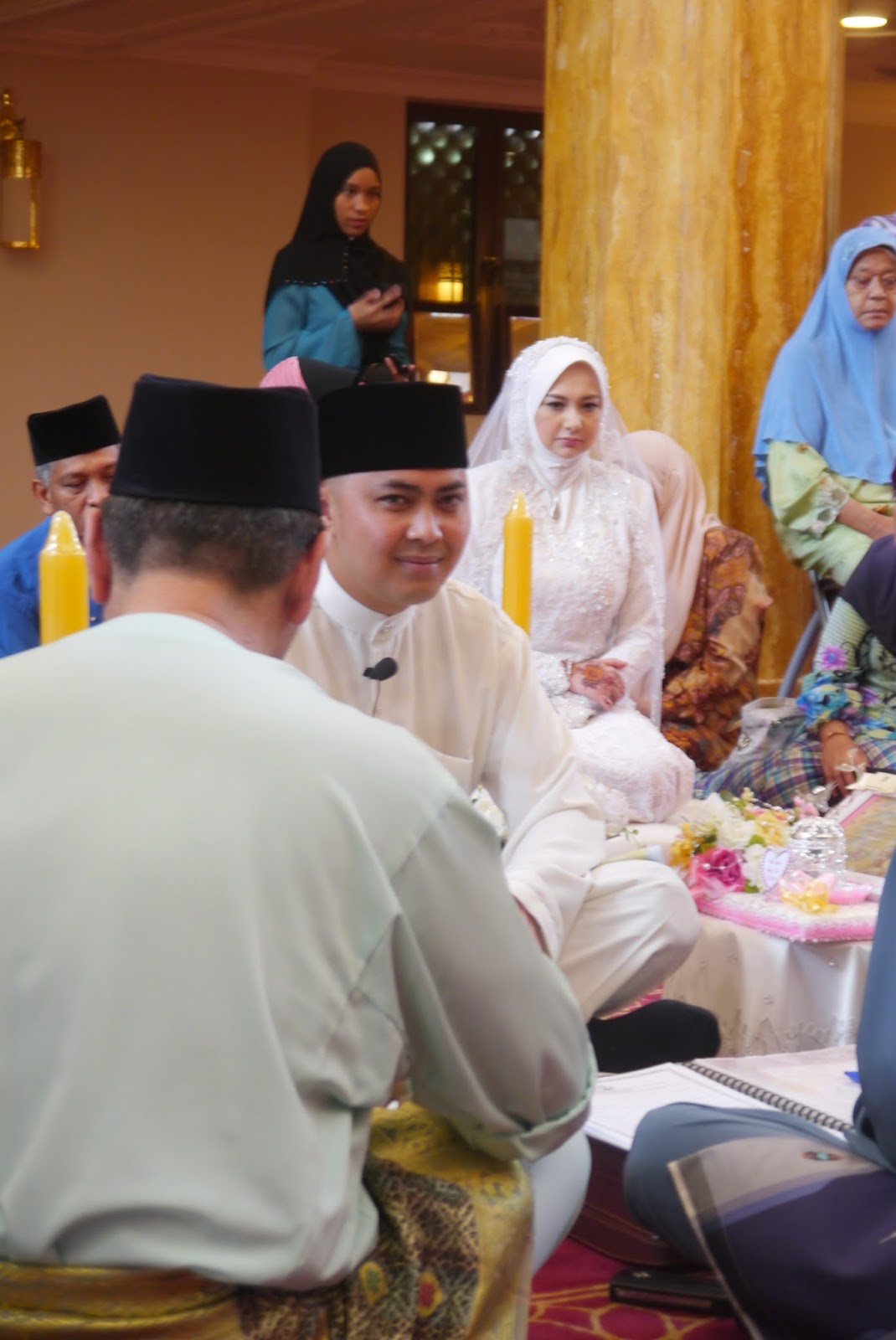
Alhamdulillah, maka ada diceritakan bahawa Banamah yang pertama adalah seorang pahlawan bangsawan dari Yemen yang bernama Ibnu Naimah. Beliau telah berjuang b di berberapa kempen perperangan termasuklah di Syam dan Egypt. Ibnu Naimah mempunyai seekor kuda yang bernama Al-Asghar - yang juga diceritakan mendatangkan ketakutan kepada pihak lawan kerana kelajuan dan keberaniannya,
Khalid's elite light cavalry, the Mobile guard, acted as the core of
the Muslim cavalry during the invasion of Syria. It was composed of highly
trained and seasoned soldiers, the majority of whom had been under Khalid's
standard during his Arabian and Persian campaigns.[130] Muslim cavalry was a light cavalry force armed
with 5 meter long lances. They could charge at an incredible speed and would
usually employ a common tactic of Kar wa far literary meaning
"engage-disengage", or in modern term: “hit-and-run.” They would
charge on enemy flanks and rear, their maneuverability making them very
effective against heavily armored Byzantine and Sassanid cataphracts.[121] Khalid's famous flanking charge
on the final day of the Battle of Yarmouk stands as testimony to just how well
he understood the potentials and strengths of his mounted troops.
The Arabs soldiers were far more lightly
armored then their Roman and Persian contemporaries, which made them vulnerable
in close combat at set-piece battles and to missile fire of enemy archers.[120] Khalid therefore never blundered in the battle
and would rely on intelligence reports from spies that he would hire from local
population on liberal rewards. Persian Historian Al-Tabari
said:
He (Khalid) neither slept himself, nor
did he let others sleep; nothing could be kept hidden from him.[131]
—Al-Tabari, History
of the Prophets and Kings
The Origin of the Arabian Breed
It is important to understand and appreciate the Barb horse, because as history drew down to the 7th century of our era, an event of the greatest significance occurred: the angel Gabriel appeared to Mohammed in a cave in Mecca, and made of him a most persuasive prophet. On fire with the new revelation and a rule for living that made sense to them, thousands of committed followers of Mohammed united to conquer and swiftly convert almost the whole of the Near East. Within a century of Mohammed’s death, all of the old Persian Empire had accepted Islam. As brothers united in religious fervor, the Persians yielded up to their Arab conquerors all the deeper secrets of horse-breeding and horsemanship which had been their almost exclusive possession for many centuries. For the first time in their history, Arabian peoples acquired horses in numbers, and from the finest of these, which hailed from the foothill country at the headwaters of the Tigris and Euphrates Rivers, the Bedouin sheikhs at long last began to craft the Arabian breed.
After sweeping success to the east, the armies of Islam looked west. In the early decades of the 8th century they took lower Egypt, then Morocco and the rest of the north African coast. They brought few horses into this region, partly because of the barriers posed by the Sinai and the Nile, but largely in fact because the region was already full of horses apt to their purposes. Thus on a fog-shrouded day in the year 711, an Islamic scouting party embarked from North Africa. Landing upon the Iberian side and reporting little resistance, they were quickly reinforced by an armada bearing many mounted soldiers. The first great victory of Islam in Iberia was fought at Jérez de la Frontera in the very heartland of Iberian horse-breeding, the province of Estremadura. Within two years, the armies of Islam had completely overrun the Iberian Peninsula.